In precision injection molding and engineering plastics processing, moisture control for hygroscopic polymers—such as PA (Nylon), PC, PBT, PET, and PMMA—directly dictates mechanical tensile strength, surface optical clarity, and defect rates (silver streaks, splay marks, and micro-bubbles). Traditional modular setups with separate dryers, dehumidifiers, and loaders occupy valuable shop-floor space, complicate pneumatic piping, and frequently cause secondary moisture re-absorption during material conveyance.
The 3-in-1 Compact Dehumidifying Dryer (integrating dehumidification, drying, and two-stage closed-loop pneumatic conveying) has become the industry benchmark for cleanroom operations and automated molding lines. Combining real-world on-site installation practices with rigorous engineering specifications, this article reviews three high-demand models (25KG, 50KG, and 100KG) to help you select the ideal configuration for maximum throughput and energy efficiency.
1. Why Modern Injection Molding Facilities Rely on "3-in-1" Systems
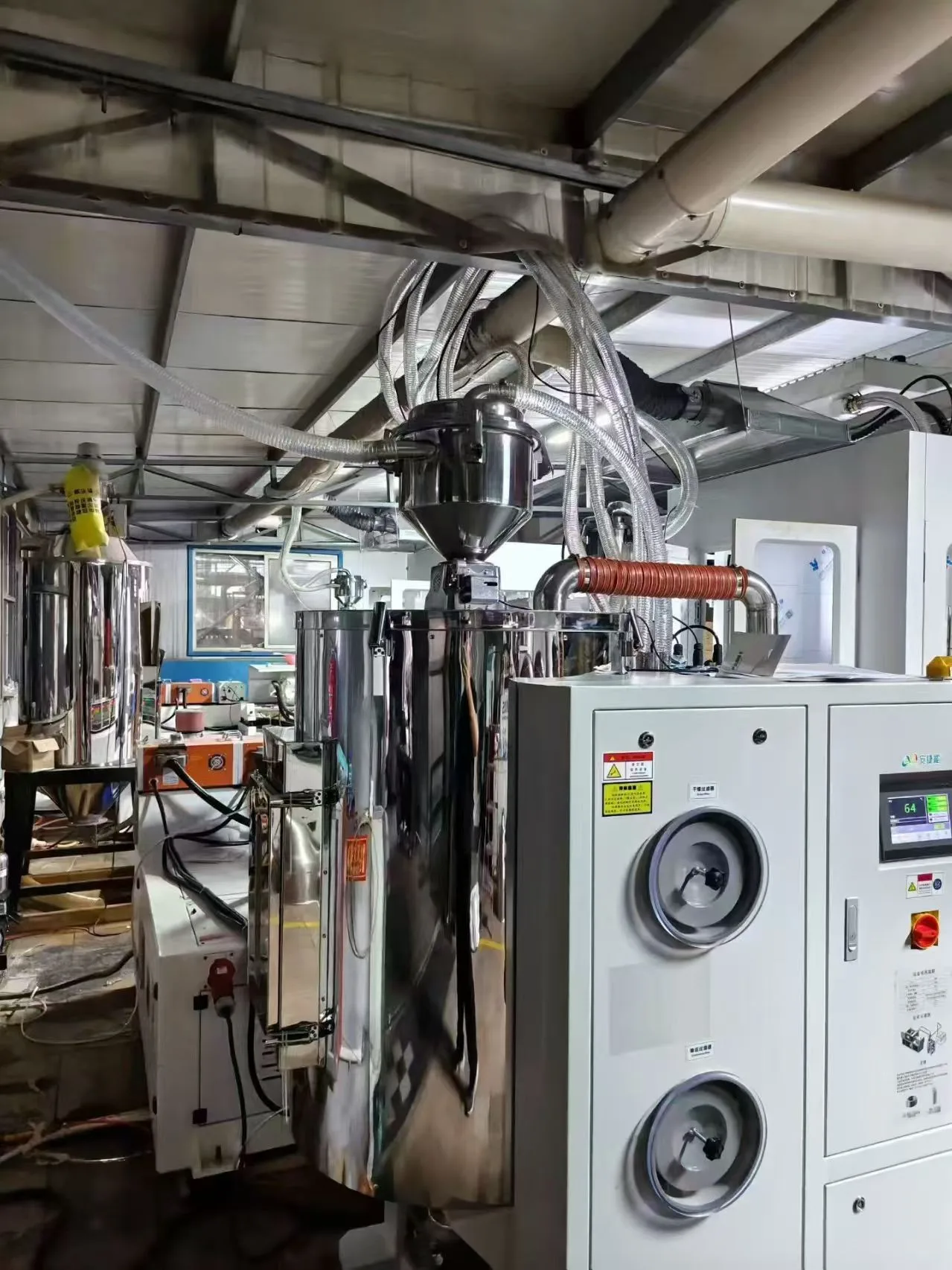
Figure 1: 3-in-1 Dehumidifying Dryer On-site Closed-loop Installation
On-site plant deployment reveals distinct operational advantages of compact 3-in-1 systems:
- Closed-Loop "Dehumidify + Dry + Convey" Architecture: The material travels directly from the insulated drying hopper into the molding machine through a closed-loop pneumatic conveying line. This completely isolates dried resin from ambient humid air, eliminating the risk of secondary moisture re-absorption before plastification.
- Compact Machine-Side Footprint: By integrating the honeycomb rotor dehumidifier, insulated hopper, and vacuum receivers into a single wheeled chassis, floor space requirements are reduced by over 30%. The mobile design enables rapid reconfiguration alongside individual molding machines.
- Smart PLC Touchscreen Control: Intuitive microcomputer interface provides real-time monitoring of drying curves, dew point performance, PID temperature zones, and automatic safety interlocks, simplifying daily operation and shift changeovers.
- All-Stainless Steel Insulated Hopper: Double-wall stainless steel construction prevents heat loss, lowers external surface temperatures for operator safety, and ensures energy-efficient thermal cycling.
2. Core Specification Matrix
| Model |
Motor Power (kW) |
Airflow Capacity (m³/h) |
Overall Dimensions (W×D×H mm) |
Net Weight (kg) |
| 25KG |
7.99 kW |
30 m³/h |
1120 × 620 × 1400 |
220 kg |
| 50KG |
8.99 kW |
50 m³/h |
1160 × 750 × 1550 |
241 kg |
| 75KG (Opt.) |
8.99 kW |
50 m³/h |
1160 × 750 × 1650 |
246 kg |
| 100KG |
12.50 kW |
80 m³/h |
1360 × 800 × 1750 |
280 kg |
3. Top 3 Recommended Models: Detailed Breakdown
Model 1: 【25KG Model】— Ideal for Precision Micro-Molding & Fast-Turnaround Prototyping
- Key Specifications: Drying Hopper Capacity: 25 kg | Total Motor Power: 7.99 kW | Airflow Volume: 30 m³/h | Dimensions: 1120 × 620 × 1400 mm | Weight: 220 kg
- Core Advantages:
- Ultra-Compact Machine-Side Footprint: With a narrow width of just 620 mm and a low profile (1400 mm), it easily fits into tight spaces beside small-tonnage machines without obstructing overhead cranes.
- Fast Color & Material Changeover: Optimized smaller hopper capacity drastically reduces raw material waste during sampling, color switching, or multi-resin testing.
- Low Energy Consumption: Tuned 7.99 kW thermal-blower system provides rapid heat-up with low steady-state operating cost.
- Target Applications: 50T–120T precision injection machines, optical lenses, micro-connectors, medical catheter fittings; R&D prototyping labs, pilot batch runs, and high-mix/low-volume (HMLV) manufacturing.
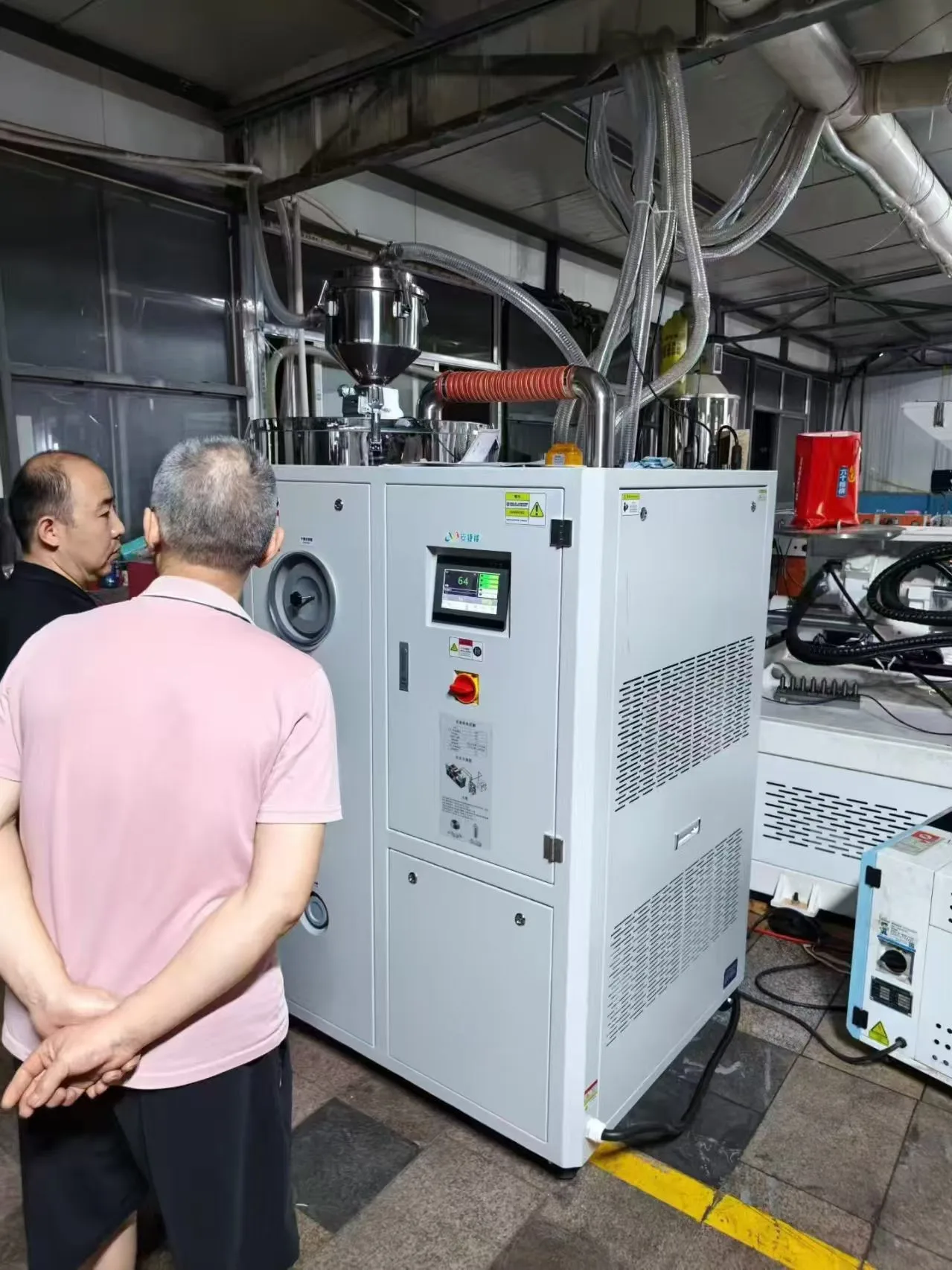
Figure 2: 3-in-1 Dehumidifying Dryer Operation and Factory Acceptance
Model 2: 【50KG Model】— The Workshop Workhorse: Best Value & Balanced Throughput
- Key Specifications: Drying Hopper Capacity: 50 kg (also available in 75KG option) | Total Motor Power: 8.99 kW | Airflow Volume: 50 m³/h | Dimensions: 1160 × 750 × 1550 mm | Weight: 241 kg
- Core Advantages:
- High Efficiency-to-Airflow Ratio: Delivers 50 m³/h dry air circulation on an 8.99 kW power draw, offering top-tier drying efficiency per kilogram of processed material.
- Continuous Moisture Removal: Comfortably handles standard 4–6 hour drying cycles for demanding resins such as PA6, PA66, PC, and PBT at continuous production rates.
- Modular Reliability: Standardized structural components simplify routine maintenance, filter replacement, and preventive upkeep.
- Target Applications: 150T–350T mid-sized injection molding machines, automotive interior trim, electronic housings, power tool casings; 24/7 continuous shift mass-production lines.
Model 3: 【100KG Model】— High Throughput for Heavy-Duty & Multi-Cavity Tooling
- Key Specifications: Drying Hopper Capacity: 100 kg | Total Motor Power: 12.50 kW | Airflow Volume: 80 m³/h | Dimensions: 1360 × 800 × 1750 mm | Weight: 280 kg
- Core Advantages:
- High-Volume Air Circulation: Robust 80 m³/h blower matched with a 12.5 kW heating unit ensures uniform temperature distribution across the entire hopper volume, eliminating unconditioned cold spots.
- Heavy-Duty Continuous Operation: Reinforced chassis and thick double-walled stainless hopper built for demanding industrial cycles and high hourly resin consumption.
- High-Lift Vacuum Conveying: Powerful dual-stage suction system effortlessly transports materials across extended vertical heights and longer hose routing distances.
- Target Applications: 400T–800T large-tonnage molding machines, automotive bumpers, large appliance enclosures, thick-wall transparent components, high-cavity fast-cycle packaging; centralized dry material staging for multi-machine feeding cells.
4. On-Site Practical Tips & Sizing Formula
To size your 3-in-1 dehumidifying dryer correctly for zero defect rates, follow this standard three-step workflow:
- Calculate Hourly Resin Consumption (Q):
Resin Consumption (kg/h) = [Shot Weight (g) × Number of Cavities × 3600] / [Cycle Time (s) × 1000]
- Determine Required Hopper Capacity (C):
Theoretical Hopper Capacity (kg) = Hourly Resin Consumption (kg/h) × Required Drying Time (h)
Tip: Always multiply theoretical hopper capacity by a safety factor of 1.2× to buffer against production surges and ensure raw material is fully conditioned before entry into the barrel.
- Piping & Site Layout Optimization:
- Hose Routing: Keep material conveying hoses as straight and short as possible with gradual bends. Avoid sharp 90° kinks to prevent friction wear, static buildup, and polymer dust generation.
- Service Clearances: Reserve at least 600 mm of clearance around the rear and side maintenance panels for easy access to air filters, honeycomb rotors, and heating elements.
5. Summary & Custom Inquiries
Investing in an integrated 3-in-1 dehumidifying and drying system is one of the most effective ways to lower scrap rates, conserve energy, and streamline cleanroom production. Whether you need compact precision drying for small optical parts or heavy-duty continuous throughput for large structural components, our engineered 3-in-1 series delivers stable, low-dew-point material preparation.
Ready to Optimize Your Drying & Conveying Process?
Contact our engineering team today with your machine tonnage, resin grade, and hourly throughput. We will provide a tailored sizing calculation, equipment quotation, and workshop layout drawing.


